Wardrobe Types
Walk-in Wardrobe
A private dressing room — calm, organised, and built around how you dress.
Will this work
in your room?
A walk-in wardrobe creates a dedicated zone for dressing, storage, and daily routine — separate from the bedroom. It works best when there is enough room to move comfortably, a layout planned around what you own, good lighting, and organised internal storage. A poorly planned walk-in remains a room full of shelves. A well-planned one feels like a considered private space.
Works best when
- Master bedrooms with a dedicated bay, alcove, or extra room of at least 5–6 feet depth
- Couples or families with larger clothing, accessory, and shoe collections
- Homes wanting a hotel-style dressing experience with visual calm and organised zones
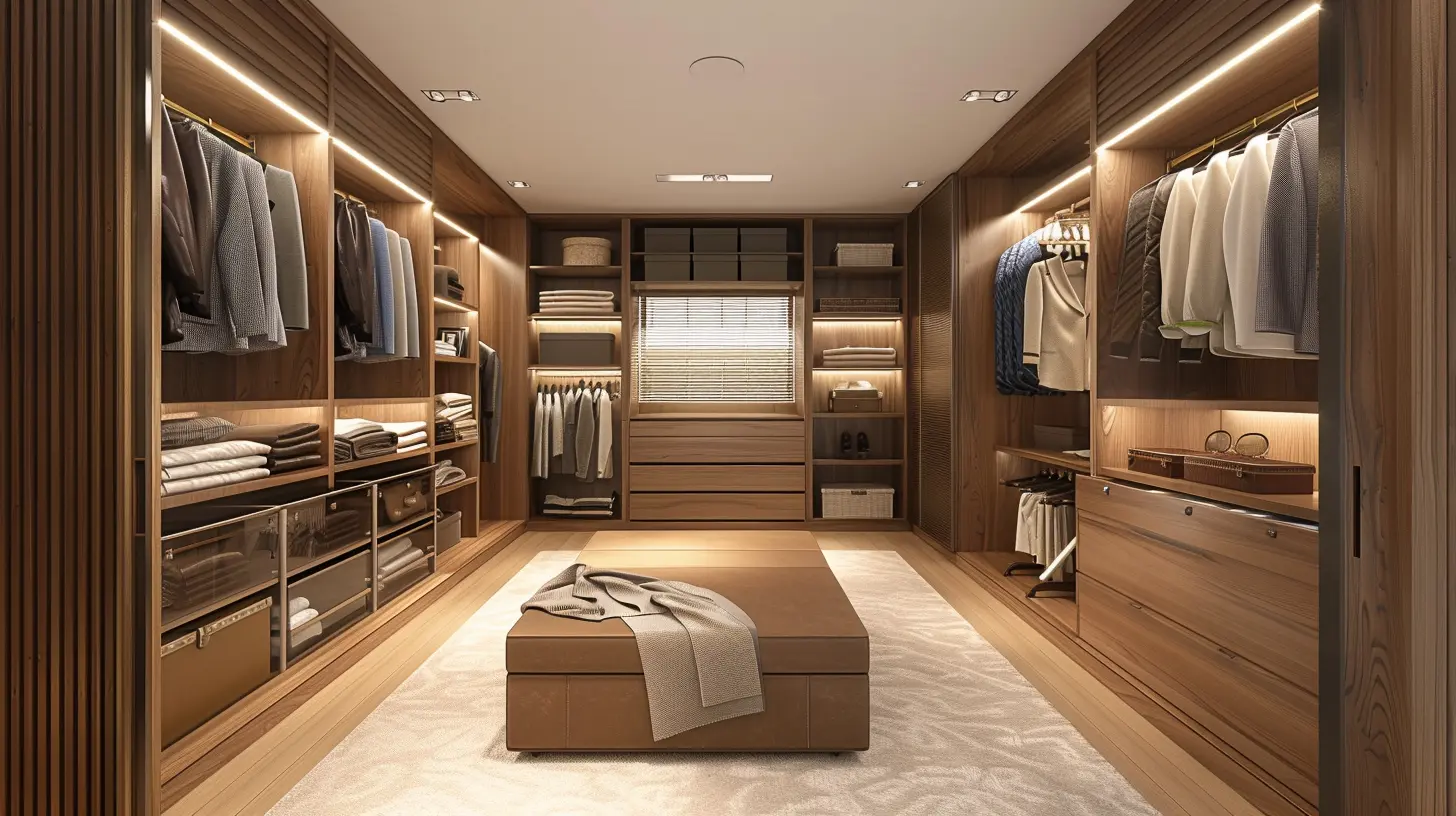
Reference mood for a Walk-in Wardrobe planned with ARITSAN's storage and finish language.
What goes inside
- Full-height long hanging for dresses, coats, and formal suits — plan a minimum of 40% of one section
- Short hanging zones for shirts, jackets, and folded trousers on pull-out trouser racks
- Dedicated shoe display or cubbies, accessories tray, and jewellery drawers
- Island chest, bench seating, or dressing counter where space allows
Design considerations
What to know before
you finalise this type.
- Moves all visual clutter out of the bedroom — the main room stays minimal and calm.
- Easy to create his/hers zones, seasonal sections, and dedicated accessory storage.
- Internal lighting is critical — sensor-activated LED strips on shelves and rails transform daily usability.
- Finishes like veneer, PU matte, and glass panel combinations work beautifully in walk-in configurations.
- Minimum practical size is approximately 5–6 feet deep by 8–10 feet wide — anything smaller functions better as a deep hinged or sliding wardrobe.
Designer's note
A walk-in wardrobe should feel like a calm private dressing room — not just a room full of shelves. The difference is in the layout logic: what goes where, how light is used, and whether the storage is planned around what you actually own rather than a standard template.
Finish direction matters here
The same wardrobe type feels very different in laminate versus PU, or veneer versus glass. Before the order is finalised, ARITSAN helps you see the combination that suits your room light, usage, and design direction.
Explore wardrobe finishesKey Specifications
What to specify
before signing off.
- Minimum depth: 5–6 feet for comfortable movement inside
- Lighting: sensor-activated LED strips on every rail and shelf zone
- Carcass material: BWP or marine-grade board for long-term structural stability
- Internal accessories: shoe racks, jewellery trays, pull-out drawers confirmed at design stage
- Entry door type: confirm sliding or hinged based on available approach space
Plan Carefully
Common planning
points to get right.
- Do not plan a walk-in if less than 5 feet of depth is available — it becomes a corridor, not a dressing room
- Plan ventilation — a closed walk-in without airflow develops humidity and odour issues
- Do not underestimate lighting — a walk-in without proper illumination fails its core function
- Plan the entry carefully — sliding or hinged entry affects the internal layout and storage reach significantly
- Design the inside first, then the outside — the most common planning failure is the reverse
Works Well In
Master bedrooms with an extra room or a dedicated bay that can be enclosed
Villas and independent houses with larger bedroom layouts
Apartments where a room or alcove can be converted into a dressing zone
Bedroom corners that can be enclosed with a partition wall or sliding panel
Common Questions
Questions about
the walk-in wardrobe.
Need help planning your wardrobe?