Wardrobe Finish Guide
The right finish
for the look you want.
The wardrobe finish is what people see first and remember longest. Each one creates a different mood and ages differently. This guide shows what works for which look — and what tends to disappoint.
Six Finishes
Each one chosen
for a different reason.
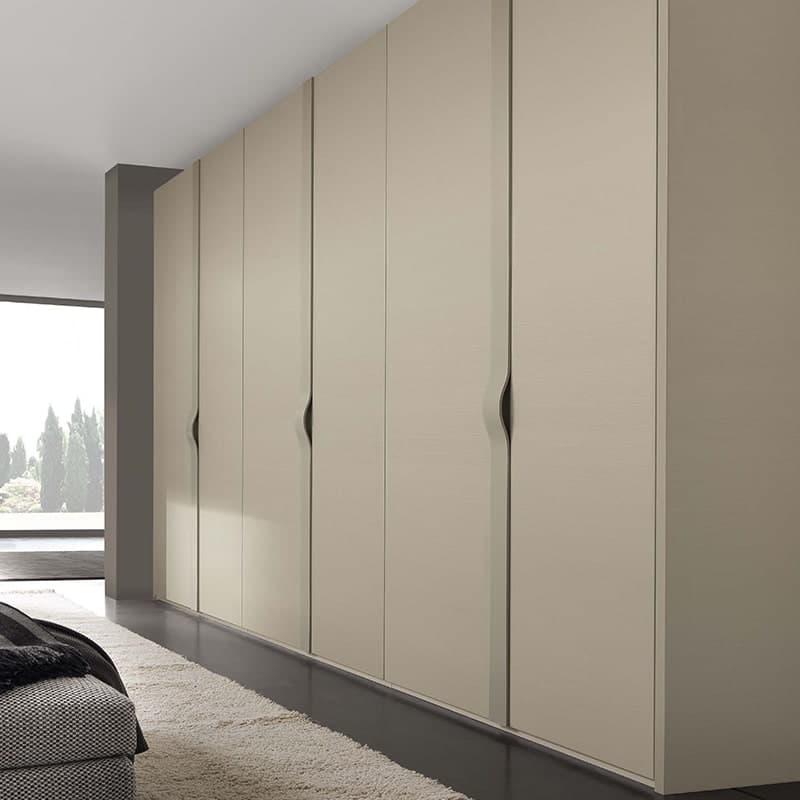 Low maintenance
Laminate
Durable, practical, and available in the widest range of textures and colours. Handles real Indian conditions without complex maintenance.
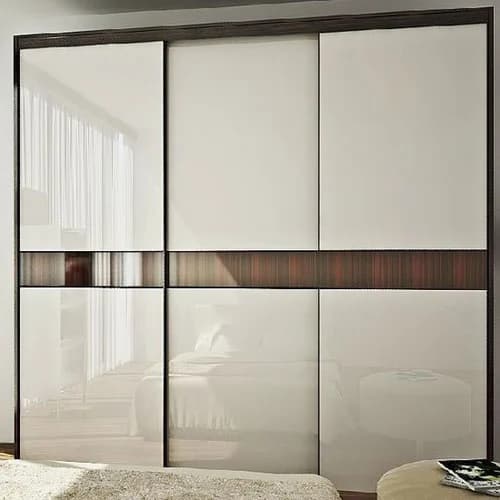 Medium maintenance
Glossy Acrylic
High-sheen panels that reflect light and create a polished contemporary presence. Best when balanced with matte surfaces elsewhere.
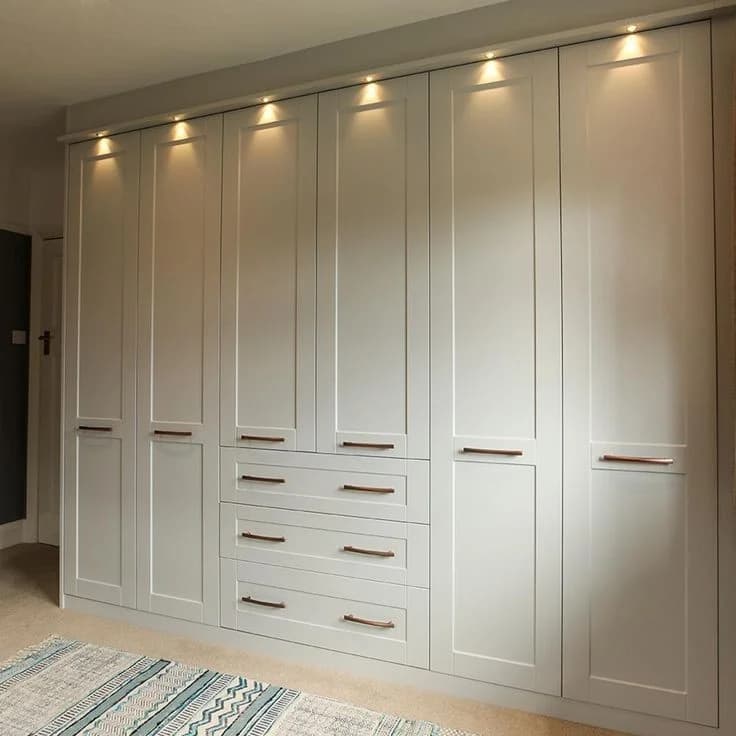 Medium maintenance
PU Finish
Smooth, spray-applied in custom colours — matte or gloss. Gives wardrobes a bespoke quality sheet finishes cannot replicate.
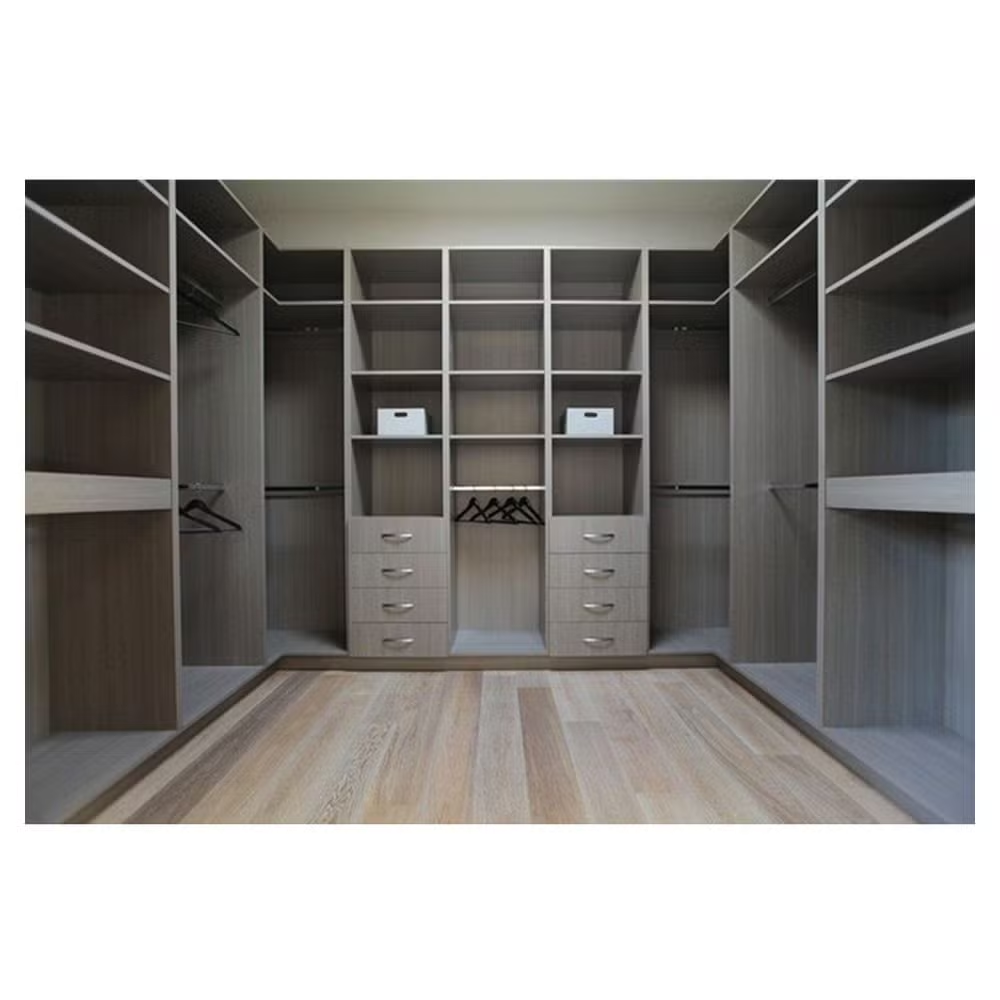 Medium-High maintenance
Natural Wood Veneer
Real wood surface with natural grain, warmth, and depth. Ages beautifully when moisture is controlled and care is consistent.
 Medium maintenance
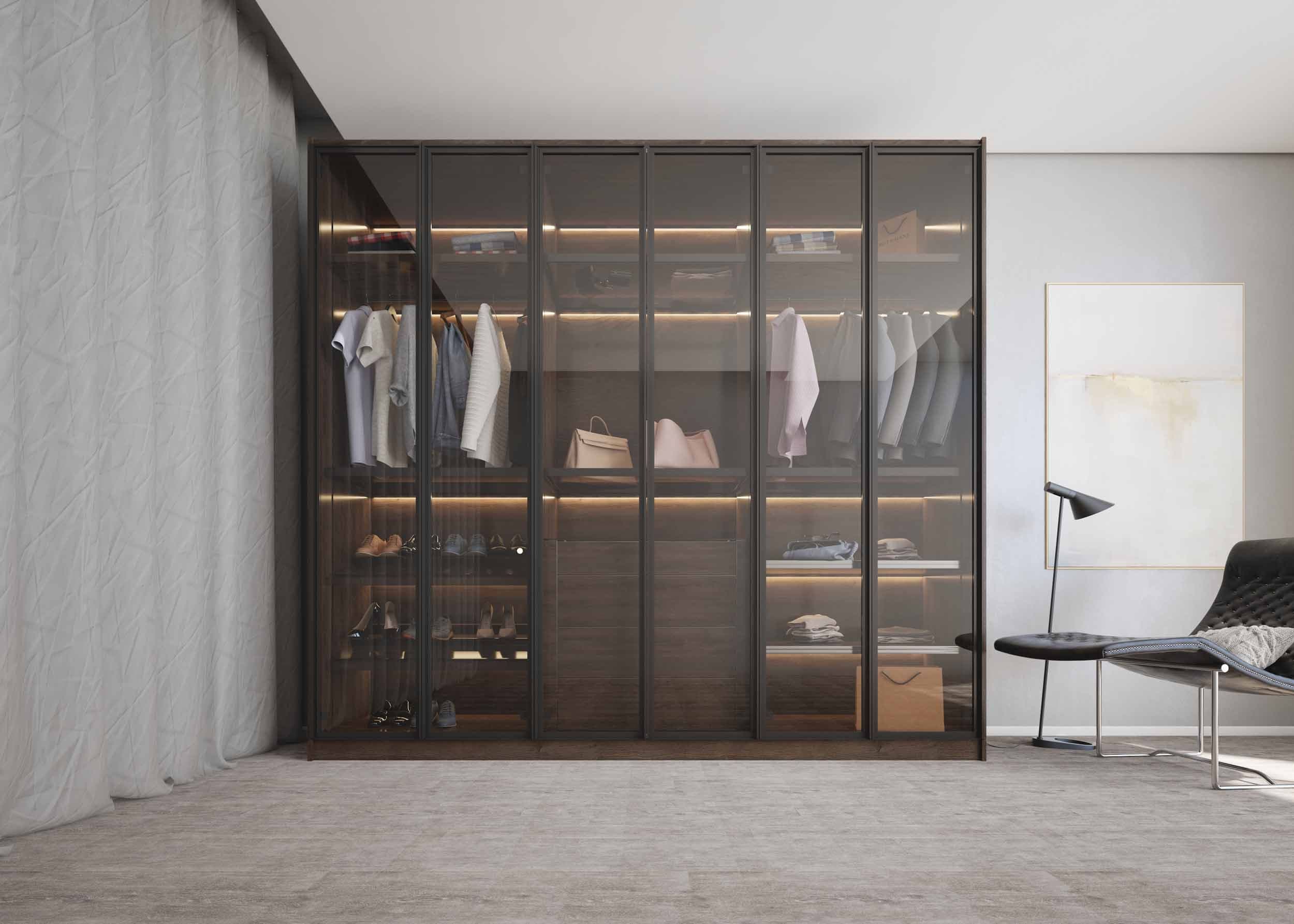
Glass
Tinted, frosted, fluted, or lacquered panels for depth and architectural character. Toughened safety glass is essential.
 Low-Medium maintenance
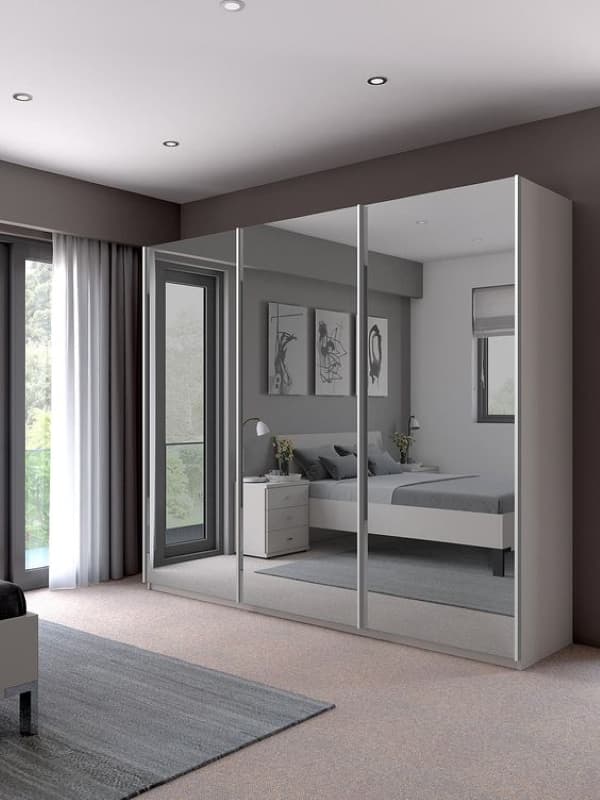
Mirror
Full-height panels that serve dressing and visually expand the room. Most effective in compact bedrooms.
Finish By Look
Which finish should you choose
for the look you want?
The right finish depends on the look you are creating for the whole room — not just the wardrobe in isolation. Each direction below maps the most appropriate finish combination, what to avoid, and one practical tip.
Minimal Modern
Restraint and clean geometry create a more considered result than heavy gloss surfaces.
Avoid: Glossy acrylic across all panels — too visually dominant.
Matte grey or off-white laminate with black aluminium handles delivers this cleanly.
Luxury Hotel-Like
Layering warm materials with reflective accents creates depth and richness without noise.
Avoid: Full gloss white — reads flat and clinical rather than premium.
Walnut veneer with bronze-tinted glass inserts and warm LED lighting inside the wardrobe.
Warm Natural Wood
Natural grain creates warmth and a grounded organic quality in the room.
Avoid: Cold chrome hardware — it fights the warmth of natural wood tones.
Oak or walnut veneer with matte taupe handles and no reflective glass inserts.
Premium High-Gloss
High-sheen surfaces create reflectivity and visual depth that signals premium intention.
Avoid: Mixing too many gloss surfaces in one room — one dominant sheen, matte elsewhere.
One gloss finish on the wardrobe; matte on walls and bed frame prevents visual overload.
Soft Beige / Neutral Bedroom
Neutral tones create calm and warmth without the clinical feel of bright white.
Avoid: Heavy dark veneers — can make neutral bedrooms feel heavier than intended.
Beige PU matte with hairpin handles and a single fluted glass accent panel.
Dark Masculine Wardrobe
Deep tones create weight, confidence, and visual presence without loudness.
Avoid: Bright chrome hardware — breaks the dark palette and looks unresolved.
Charcoal laminate with black aluminium profile shutters and smoked glass inserts.
Compact Room — Needs to Look Bigger
Reflective and light-toned surfaces expand perceived space without structural change.
Avoid: Dark, heavy finishes — they visually compress compact rooms further.
Full-height mirror panels on a sliding wardrobe — most effective for compact Indian bedrooms.
Kids' Room or Heavy-Use Wardrobe
Laminate handles daily heavy use without showing wear quickly.
Avoid: PU or acrylic — too delicate for active daily use in high-traffic rooms.
Textured or matte laminate in a practical colour — easy to clean and built to last.
Continue Exploring
Next steps
in your wardrobe decision.
Compare wardrobe types
Walk-in, sliding, hinged, and L-shaped — find the right format for your room.
See wardrobe typesPlan internal storage
Storage by user, planning checklist, and the mistakes that quietly damage every wardrobe.
Open planning guideTalk to ARITSAN
Share the look you want and the room you have. We will help you decide the right finish.
Book a consultationNext Step