Comfort, sealing, and low maintenance.
uPVC Doors & Windows
Energy-efficient uPVC systems designed for low maintenance, better insulation, and everyday comfort in hot climates.
Why this matters
A well-specified uPVC window can make a bedroom genuinely quieter and a living room measurably cooler. The comfort difference is felt every day, not just admired during a site visit.
ARITSAN Note
uPVC is not a downgrade from aluminium; it is a different decision. ARITSAN recommends uPVC where comfort, sound, and weather resistance matter more than ultra-slim sightlines, and pairs it with the right glass and hardware so the performance is actually felt, not just claimed.
Best suited for
- Apartments and villas with heavy AC use
- Bedrooms, home offices, and noise-sensitive spaces
- Homeowners wanting truly low-maintenance frames
- Renovations focused on comfort and energy efficiency
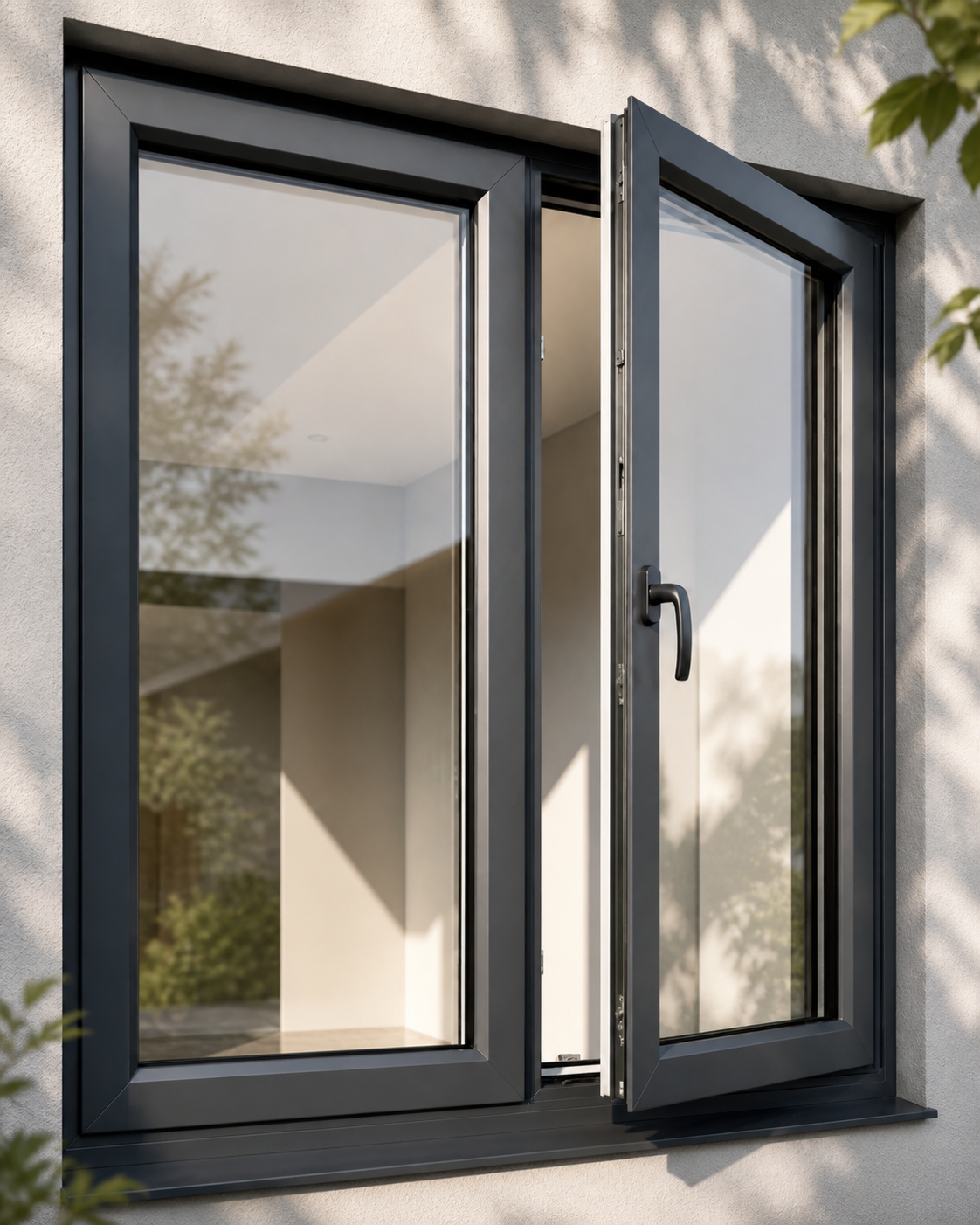
A reference image for a typical uPVC Doors & Windows application. Final design, configuration, and hardware will always be matched to your actual site.
Why clients choose it
- Better thermal insulation than most basic metal systems
- Pairs well with double glazing for better acoustic comfort
- Will not rust, rot, or need repainting
- A practical option for everyday residential use
What to check before finalising
- Large shutters need reinforcement planning inside the profile
- Good hardware and welding quality matter as much as the profile brand
- Lighter colours usually age better in very hot sun-exposed areas
Specifications to Check
What separates a great installation
from a disappointing one.
Multi-chamber profile
More chambers usually mean better thermal and acoustic performance.
Glass configuration
Single, double-glazed (DGU), or laminated — chosen for heat, sound, and safety.
Steel reinforcement inside profile
Critical for structural rigidity, especially on large openings.
EPDM gasket quality
The rubber sealing around glass and shutters does most of the weather-sealing work.
Hardware brand and grade
Locks, hinges, and friction stays decide long-term feel.
Drainage path
Properly designed weep holes prevent water sitting inside the frame.
Profile finish options
White, laminated wood-look, or foiled colour finishes.
Fabrication quality
Welded corners, clean joinery, and tested sealing separate good uPVC from bad.
Plan Carefully
What to think through before you sign off.
- uPVC frames are visibly bulkier than slim aluminium — the look needs to be considered upfront.
- Lower-grade profiles can yellow or chalk over years if exposed to harsh sun without UV stabilisation.
- Hardware quality is often where cost-cutting happens; insist on tested, named hardware.
- Double glazing only delivers its full benefit when the sealing and gaskets are correctly fabricated.
- Wood-finish foils vary in quality — see physical samples, not catalogue images.
- Fabrication and installation are more important than the brand name on the profile.
Works Well In
Where this system makes the most sense.
- 01Master bedrooms in busy urban locations
- 02West-facing living rooms with afternoon heat
- 03Homes near airports, highways, or metro lines
- 04Coastal villas and humid-region apartments
- 05Climate-controlled studies and home offices
Core Build
Core materials and build choices
Multi-Chamber uPVC Profile
Creates insulating air pockets inside the profile to improve comfort and efficiency.
Galvanised Steel Reinforcement
Adds structural stability for larger shutters and door leaves.
Insulating Glass Unit
A double-glazed unit that helps improve both heat and sound control.
Common Questions
Questions people ask
about upvc doors & windows.
Get a Quote
Interested in uPVC Doors & Windows?
- Free site visit for projects in Delhi NCR.
- Detailed product specifications and samples provided.
- Transparent, itemised pricing with no hidden costs.