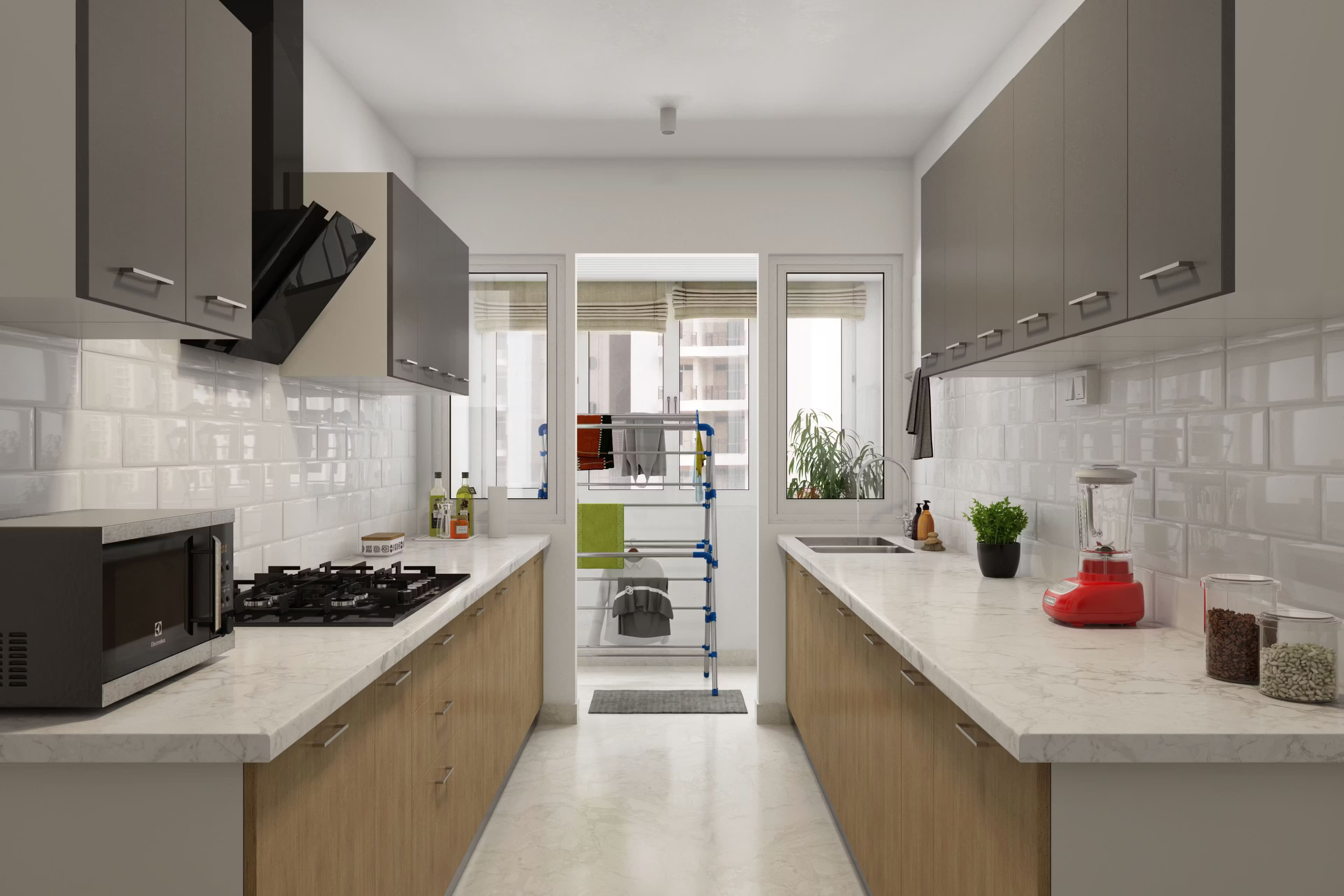
A typical Delhi NCR home renovation requires coordinating fifteen different vendors — carpenter, modular kitchen vendor, wardrobe vendor, plumber, electrician, painter, false-ceiling team, countertop fabricator, hardware supplier, window vendor, glass supplier, appliance dealer, installer teams, society RWA, and delivery coordinators.
That is fifteen phone numbers, fifteen schedules, fifteen quality standards, and no single accountability when something goes wrong. The result is missed install dates, sequence mistakes, and homeowners becoming unwilling project managers.
Why multi-vendor coordination breaks projects
- No single accountability. When a problem appears, vendors point at each other. Time and money leak between the cracks.
- Sequence mistakes. Wardrobes installed before electrical points are corrected. Tiling done before plumbing rough-in is finalised.
- Material mismatches. The handle brand the carpenter picked does not match the modular vendor's. Small mismatches accumulate.
- Schedule slippage. One delayed vendor cascades into a six-week timeline extension.
- Decision fatigue. Hundreds of small decisions across different shops, often with conflicting recommendations.
What a single-team approach looks like
A single coordinating team owns the design direction, the material specification, the vendor schedule, the on-site quality checks, and the snag closure. One named project manager is the single point of accountability. The homeowner approves design decisions and parameter bands — they do not chase electricians or argue with carpenters about which handle to install.
What the coordinating team should own
- Design and layout, material direction, finish palette
- Written quote with named line items — carcass grade, shutter brand, hardware tier, accessory quantities
- Vendor scheduling and the correct work sequence
- Material QC at procurement and dispatch
- Society NOC, lift padding, work-hour coordination
- On-site quality checks at install
- Snag closure with a written closure window
- Warranty terms that survive past project sign-off
Realistic timeline for a Delhi NCR renovation
- Design and approval — 2 to 4 weeks
- Civil and electrical — 2 to 4 weeks
- Manufacturing — 3 to 4 weeks (often parallel to civil)
- Installation — 1 to 3 weeks
- Snag closure — 1 week
ARITSAN note
ARITSAN coordinates renovations across Delhi NCR through one named project manager and a verified vendor network. Full reference page: home renovation in Delhi NCR.
Book a Free Home Visit